Introduction
“Why is this part so expensive?”
We hear this question every day from procurement managers or engineers. Often, the culprit isn’t the material price or our hourly rate. The real cost drivers are hidden inside your CAD design.
In this guide, we reveal the 3 design features that kill your budget—backed by real shop-floor data—and provide the Design for Manufacturability solutions to fix them.
1. The “Square Corner” Trap: Why 90° Angles Are So Expensive
Many designers default to sharp 90-degree internal corners. In CAD software, drawing a square pocket takes one second. In the machine shop, however, it requires a completely different manufacturing process.
The Manufacturing Reality: Milling vs. EDM
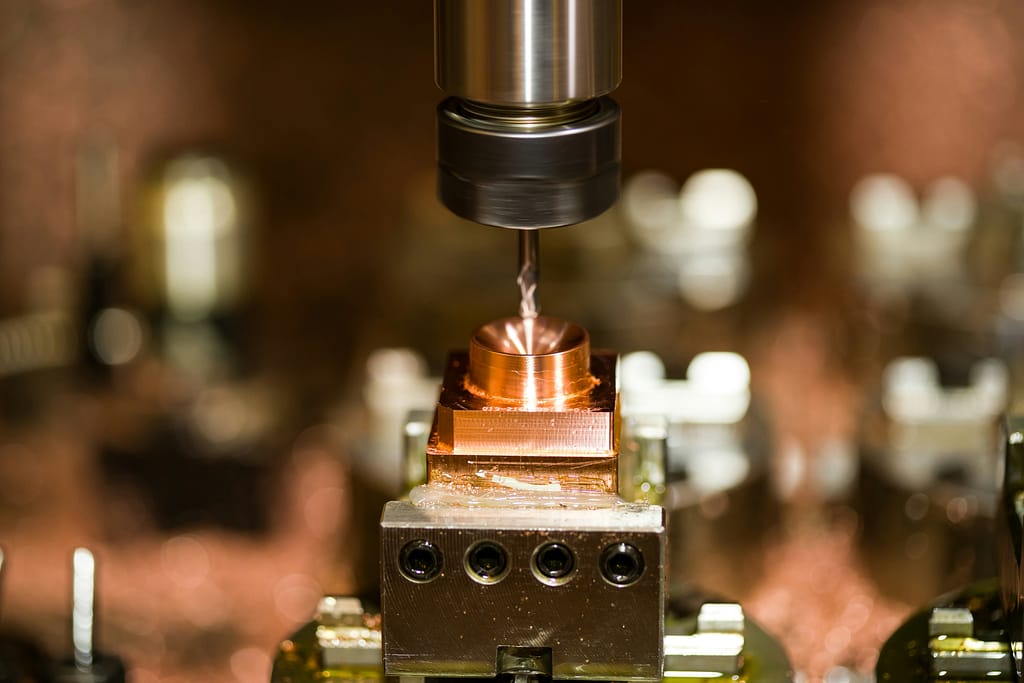
CNC cutting tools are cylindrical (round). They cannot naturally cut a perfect square corner. To achieve a 90° angle, we must switch from standard CNC Milling to EDM (Electrical Discharge Machining).
The Cost Impact (Data):
Switching from a milled radius to an EDM square corner typically increases the process cost by 50% to 150%. In complex cases, it can double the price.
Why the massive jump? Because you are moving from a “1-Step Process” to a “3-Step Process”:
- Step 1 (Electrode Machining): We must CNC machine a copper or graphite electrode first.
- Step 2 (Discharge Process): The EDM burning process is physically much slower than milling.
- Step 3 (Manual Polishing): EDM leaves a rough surface texture that often requires manual finishing.
Even with modern 2026 automation, the setup time for EDM (electrode alignment, programming) increases lead time by 100% – 200%.
✅ The DFM Solution:
- Add a Radius: Allow a corner radius of at least 1/3 of the pocket depth.
- Dog-Bone Fillets: If a square part must fit inside the pocket, use “dog-bone” cutouts in the corners.
2. The “Tight Tolerance” Obsession: Is +/- 0.01mm Necessary?
It is tempting to apply a blanket tolerance of +/- 0.01mm across an entire drawing to “play it safe.” But precision is the single biggest cost driver in machining.
Cost Analysis: Standard vs. Precision
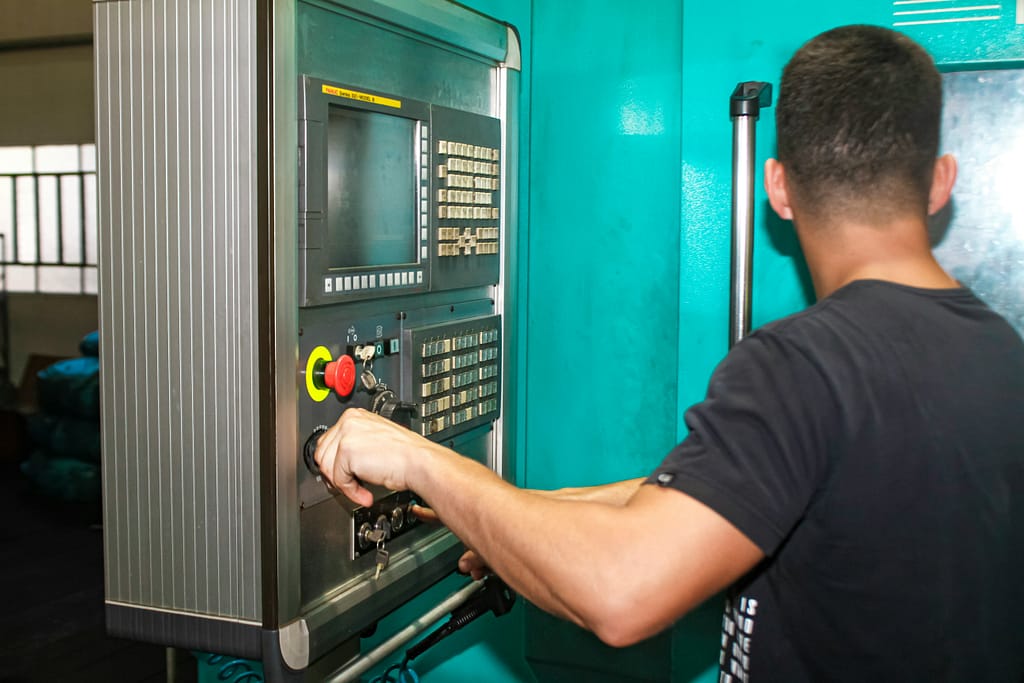
Based on our production data, tightening tolerances from ISO 2768-m (+/- 0.05mm) to precision level (+/- 0.01mm) results in:
- Cost Increase: 60% – 150%
- Lead Time Increase: 100% – 200%
Why Precision Costs More:
It isn’t just about the machine running slower; it changes the entire workflow.
| Feature | Standard (+/- 0.05mm) | Precision (+/- 0.01mm) |
| Machine | Standard 3-Axis CNC | High-Precision, Temp-Controlled CNC |
| Workflow | Roughing + Finishing | Roughing + Semi-Finish + Thermal Aging + Finishing |
| Inspection | Spot Check (Calipers) | 100% Full Inspection (CMM/Vision System) |
| Risk | Low Scrap Rate | Higher Scrap Risk (Factored into price) |
✅ The DFM Solution:
Only apply tight tolerances to critical mating surfaces (like bearing fits). Leave the rest of the geometry at standard tolerances.
3. The Thin Wall Nightmare: The Cost of Instability
Designing thin walls (especially in metals like aluminum) creates a state of “structural instability” during machining.
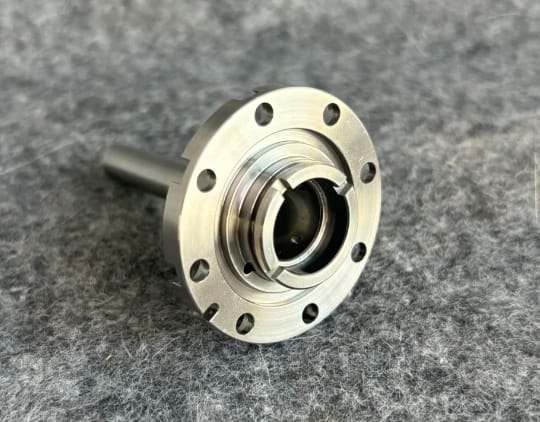
The Core Problem:
When a wall is too thin (e.g., <0.8mm for metals), it loses rigidity. This leads to four specific manufacturing pain points that skyrocket costs:
- A. Chatter & Vibration: The thin wall vibrates against the cutting tool, creating a poor “fish-scale” surface finish.
- B. Deflection (Spring-back): The cutting force pushes the wall away. When the tool passes, the wall springs back. Result: The wall ends up thicker than designed, or tapered.
- C. Thermal Distortion: Thin walls have low heat capacity. Heat builds up instantly, causing the metal to expand and warp upon cooling.
- D. Complex Fixturing: We cannot clamp the part tightly without crushing it.
The Cost Impact:
To counteract these physics, operators must use “step-down” light cutting passes. This can increase actual machining run-time by 300% to 500% (3-5x) compared to a standard part.
✅ The DFM Solution:
- Metals: Keep wall thickness above 0.8mm (ideally >1.5mm).
- Plastics: Keep wall thickness above 1.5mm.
Conclusion
Smart cost reduction isn’t about finding the cheapest supplier; it’s about Design for Manufacturability (DFM). By avoiding unnecessary EDM work, relaxing non-critical tolerances, and thickening walls, you can cut your machining costs in half without sacrificing quality.