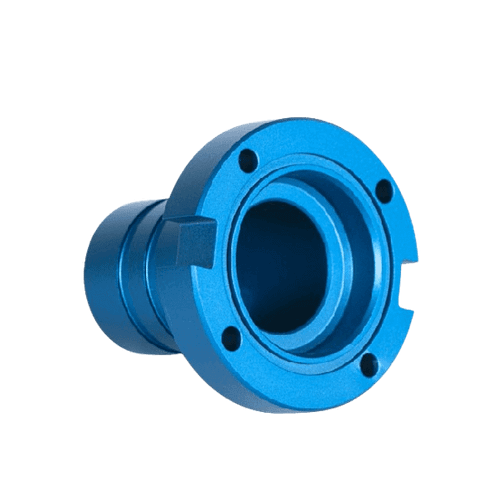
Explore Our Finishes Gallery
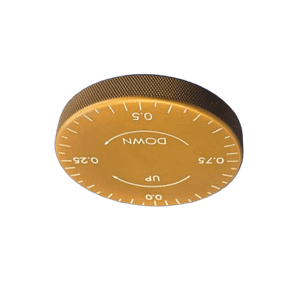
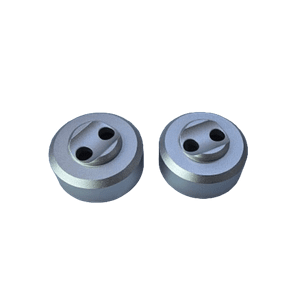
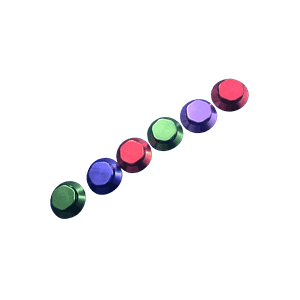
Surface Finish Options & Specifications
| Finish Option | Compatible Materials | Key Features | Thickness |
| As-Machined | All Metals & Plastics | Visible tool marks. Cheapest option. | N/A |
| Bead Blasted | Aluminum, Steel, Brass | Matte finish, hides tool marks. | Remove 0.01mm |
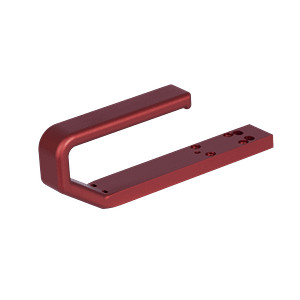
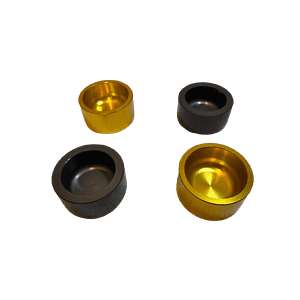
| Anodizing (Type II) | Aluminum | Corrosion resistant, multiple colors. | 5-25 µm |
| Hard Anodizing (Type III) | Aluminum | Extreme wear resistance, usually black/grey. | 25-50 µm |
| Powder Coating | Steel, Aluminum | Durable, infinite colors, thick coating. | 60-100 µm |
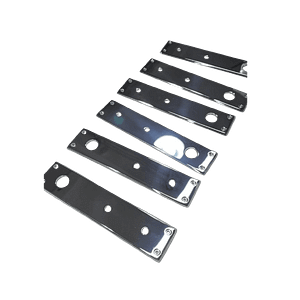
| Polishing (Ra 0.4) | All Metals | Shiny, mirror-like. High labor cost. | Remove 0.02mm |
| Black Oxide | Steel, Stainless Steel | Mild corrosion resistance, black matte. | < 1 µm |
| Electroless Nickel | Aluminum, Steel | Uniform thickness, high hardness. | 5-25 µm |
Can you match Pantone colors for anodizing?
Type II anodizing can be compared with a Pantone color reference, but alloy, batch, texture, and sealing can affect appearance. Use an approved physical sample when color is critical.
How do you handle tight tolerances with coating thickness?
Identify critical holes and surfaces on the drawing. The quotation should confirm masking, dimensional compensation, and post-finish inspection where required.
Do you provide Ra reports?
Specify the required Ra value, measurement location, and report format. The measurement method and applicable supplier equipment are confirmed before quotation.
Select a Finish by Function, Material, and Appearance
Surface finishing affects more than color. It can change corrosion resistance, wear behavior, electrical conductivity, friction, coating adhesion, dimensions, and the way tool marks are perceived. The correct finish depends on the base material, service environment, cosmetic standard, and the features that must remain within tolerance after processing.
Anodizing is used on aluminum for corrosion resistance, wear behavior, and color, but alloy and batch variation can affect the result. Bead blasting creates a more uniform matte texture and can make small machining marks less visible. Powder coating provides a thicker protective layer and broad color options. Polishing and brushing require control of edge definition and material removal. Plating and conversion coatings should be specified together with thickness, masking, and performance requirements.
Coating Thickness and Dimensional Control
Finish thickness can change bores, threads, sealing lands, press fits, and mating surfaces. Drawings should identify masking areas and dimensions that apply before or after finishing. Where a tolerance is especially sensitive, the quotation should state the compensation, masking, plug-gauge, or inspection approach instead of assuming the coating has no dimensional effect.
Define Cosmetic Acceptance
Terms such as matte, satin, mirror, clear, black, or color matched are not complete acceptance criteria. For appearance-critical parts, define the viewing surface, texture, gloss, color reference, acceptable variation, and sample approval method. A physical limit sample is usually more reliable than a screen image for comparing anodized, painted, or polished finishes.
Surface Finishing RFQ Checklist
- Base material and alloy or grade.
- Finish type, color, texture, gloss, and thickness where applicable.
- Cosmetic surfaces and hidden or noncritical surfaces.
- Masking areas, threaded holes, sealing lands, and electrical contact areas.
- Pre-finish and post-finish dimensional requirements.
- Surface roughness, adhesion, corrosion, hardness, or wear requirements.
- Required certificates, inspection reports, samples, and packaging protection.
Quality Evidence and Project Follow-Up
The applicable supplier capability, coating standard, measurement method, test report, and certification are confirmed for each project. SP Precision coordinates quotation, sample review, DFM communication, quality evidence, and delivery follow-up through selected manufacturing partners. Reports are included only when they are specified and confirmed in the quotation.
Send the part files, drawing, material, quantity, finish specification, color reference, and critical surfaces for a finish review and quotation.