CNC Machining and Prototyping Services in China
Our Services
Explore Our Comprehensive CNC Machining Services
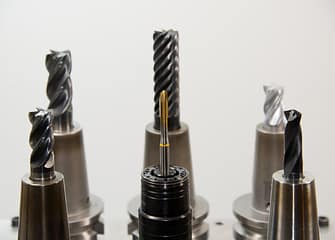
Custom CNC Machining
Coordinate custom CNC machining for project-specific geometry, material, quantity, tolerance, finish, inspection, and delivery requirements.
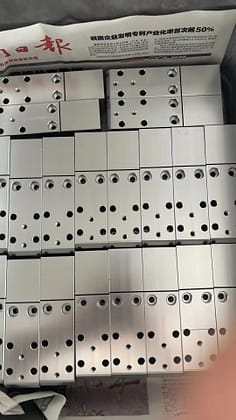
High-Precision Engineering
High-precision projects begin by identifying the dimensions, datums, fits, and inspection evidence that affect the function of the part.
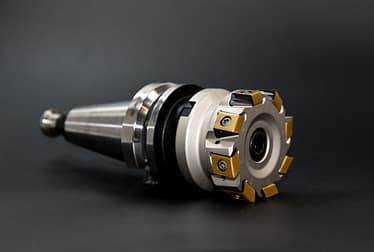
Rapid Prototyping
Coordinate CNC prototypes and suitable additive or casting routes according to the material, geometry, test objective, and required quantity.
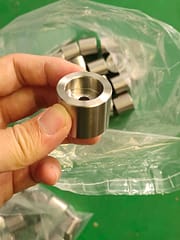
CNC Turning Services
Use CNC turning for shafts, bushings, flanges, threads, bores, and other rotational features where concentricity and runout may be important.
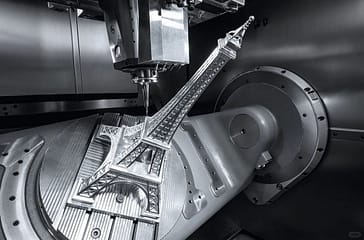
5-Axis Machining
Use 5-axis machining when complex surfaces, undercuts, or multi-side access justify fewer setups and a more controlled datum strategy.

Quality Control Inspections
Define inspection from the drawing and application, then confirm the supplier, equipment, sampling plan, and report format before order placement.
Popular CNC Procurement Pages
Planning a specific purchase? Review our guides for 5-axis CNC machining, low-volume CNC machining, aluminum CNC machining, and CNC prototype machining. Each page explains the files, tolerances, finishes, inspection details, and quantity information needed for a reliable quotation.
Choose the Right Manufacturing Route
The best process depends on geometry, material, quantity, tolerance, finish, and the stage of product development. A simple turned shaft, a thin-wall enclosure, and a five-axis housing may require different suppliers, fixtures, inspection methods, and quotation assumptions. SP Precision reviews the RFQ, clarifies critical requirements, and coordinates quotations with manufacturing partners suited to the project.
CNC Milling and 5-Axis Machining
These routes are suitable for housings, plates, manifolds, covers, deep pockets, compound surfaces, and parts that need access from several directions. Five-axis machining can reduce setups for complex geometry, but it is not automatically the lowest-cost route for every part.
CNC Turning and Turn-Mill Machining
Turning is appropriate for shafts, bushings, flanges, threaded parts, sealing features, and components where concentricity or runout matters. Cross holes, flats, keyways, and milled features may be completed in the same production route when turn-mill capability is justified.
Prototype and Low-Volume Production
CNC prototypes provide production-grade material properties for functional testing. Low-volume orders require more attention to fixture repeatability, tool wear, inspection frequency, finishing consistency, and packaging than a single sample.
Surface Finishing and Secondary Operations
Anodizing, bead blasting, polishing, powder coating, plating, painting, welding, and assembly should be reviewed together with the base machining process. Coating thickness, masking, color expectations, cosmetic surfaces, and post-process tolerances need to be defined before quotation.
CNC Milling and Turning Service Guides
CNC Milling Services
Review process selection, geometry and DFM points, material and finishing inputs, inspection planning, and the RFQ checklist for custom milled parts.
CNC Turning Services
Review turning and turn-mill route selection, runout and datum planning, threads and bores, secondary operations, inspection, and quote inputs.
What to Send for an Accurate Quote
- A STEP, STP, or other usable 3D model.
- A 2D drawing for tolerances, threads, datums, surface finish, and inspection notes.
- Material grade and any required material documentation.
- Prototype quantity and expected production quantity.
- Finishing, color, texture, masking, and cosmetic acceptance requirements.
- Critical dimensions, mating parts, and the features that affect function.
- Inspection report, certification, packaging, and delivery requirements.
When information is incomplete, the quotation should state the assumptions instead of hiding them. This makes supplier comparisons more useful and reduces changes after the order is placed.
Quality and Supplier Verification
Inspection should follow the drawing and the function of the part. Depending on the project, this may include dimensional reports, first-article inspection, material certificates, coating certificates, surface roughness checks, or photos of cosmetic standards. The applicable equipment, report format, sampling plan, and supplier certification are confirmed before order placement.
SP Precision coordinates communication and project follow-up. Production is completed by selected manufacturing partners, and project-specific capability is verified against the RFQ rather than assumed from a generic capability list.
From RFQ to Delivery
- Review the CAD files, drawing, quantity, material, finish, and target schedule.
- Clarify tolerance conflicts, difficult features, inspection needs, and quotation assumptions.
- Compare the proposed process, lead time, quality documents, and commercial terms.
- Confirm the order, production milestones, inspection evidence, packaging, and shipment details.