Introduction
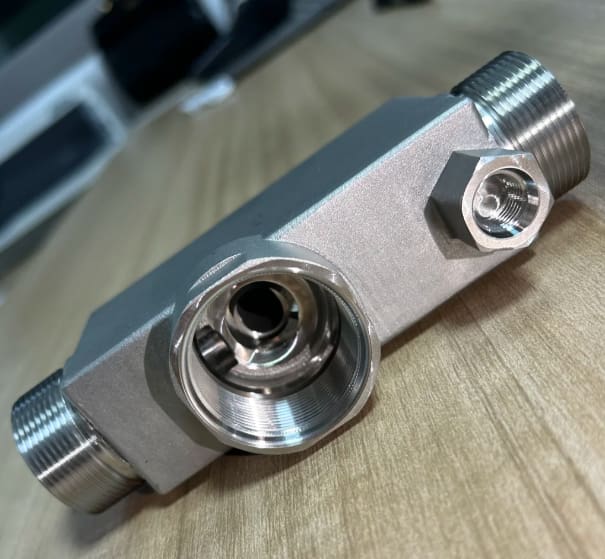
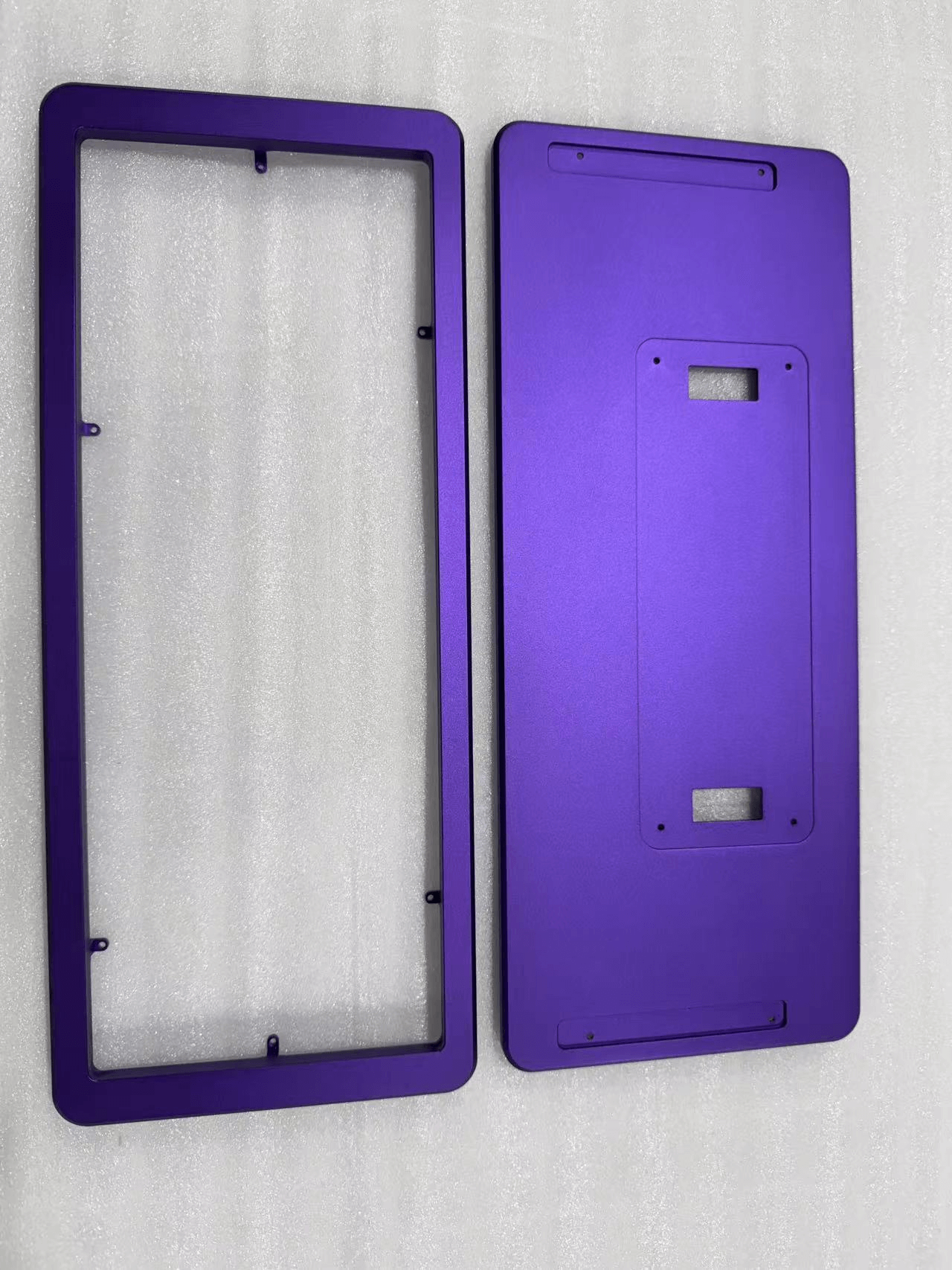
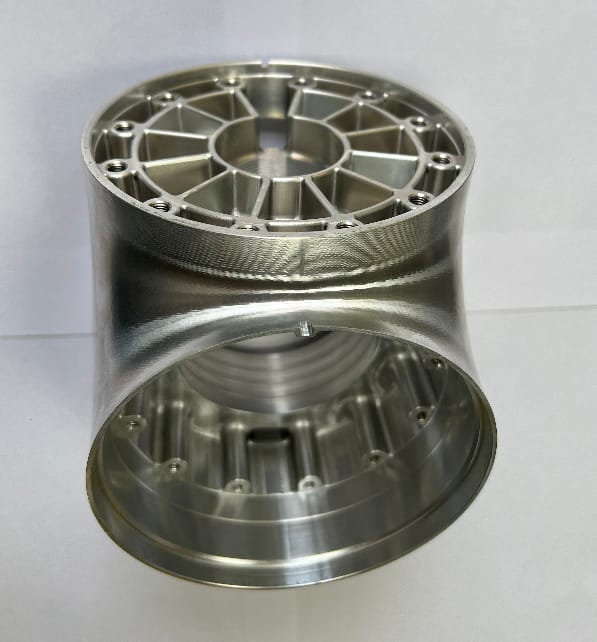
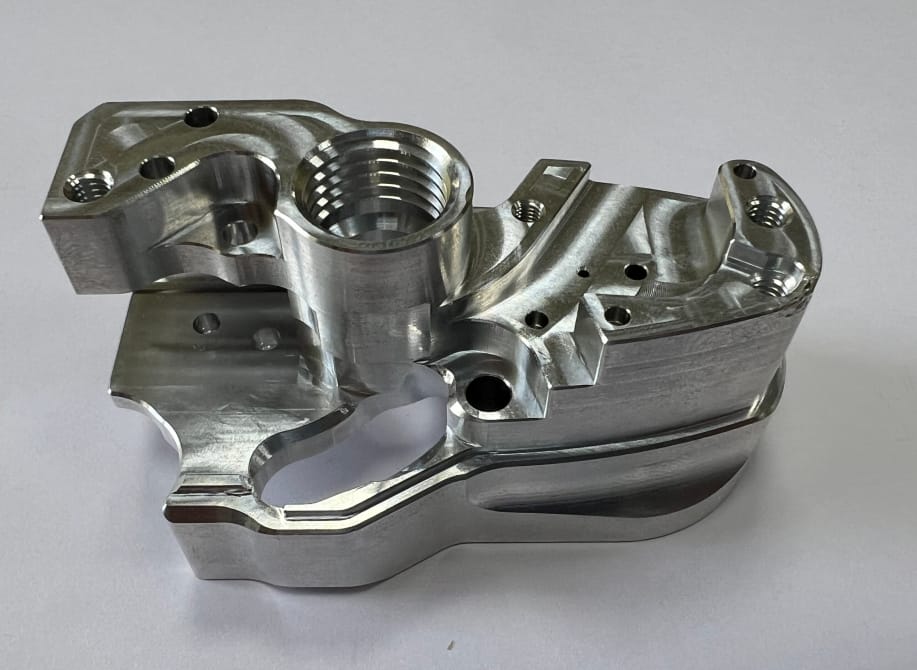
Machining the complex, tight-tolerance aluminum components showcased in our images—including a hollow cylindrical part with integrated ribs and a prismatic component with thin structural walls—demands more than just a capable CNC machine. It requires mastery of advanced fixturing, toolpath optimization, and material selection to avoid common pitfalls like chatter, distortion, and excessive waste. For engineers and manufacturers, unlocking the full potential of CNC for these geometries means balancing precision, cycle time, and long-term cost efficiency.
The Reality of the Process (Expert Analysis)
The parts in our images present unique technical challenges: thin walls prone to vibration, internal features requiring tight GD&T tolerances, and threaded bores that demand exceptional fatigue resistance. Our senior CNC manufacturing engineer shares field-proven strategies to overcome these hurdles, along with a data-driven comparison of material sourcing options.
Advanced Fixturing & Workholding Strategies
“Thin-walled aluminum parts’ worst enemies are vibration and deflection,” explains our engineer. “Proper fixturing is the foundation of defect-free machining.”
- 5-Axis Dovetail Workholding: Using a Lang or 5th Axis self-centering vise with a pre-machined dovetail base grants access to 5 sides of the part in one setup. This cuts cycle time by eliminating re-fixturing and ensures GD&T datums remain concentric, critical for the cylindrical part’s internal ribs and tapered walls.
- 3D Encapsulating Soft Jaws: For secondary operations on the prismatic component’s thin curved surfaces, custom 3D-machined Delrin or aluminum soft jaws mirror the finished external contour. This distributes clamping force evenly to avoid crushing or distorting tight-tolerance internal bores.
- Vibration Damping Potting: For ribs under 0.040” (1mm), filling cavities with water-soluble fixturing wax or low-melting alloy before final finishing eliminates chatter by rigidly supporting thin walls during cutting.
Toolpath Optimization (CAM)
How the CNC tool engages material directly impacts part quality and cycle time:
- High-Efficiency Milling (HEM): Dynamic adaptive clearing toolpaths maintain constant chip load, allowing full-flute end mill use for fast material removal. This doubles tool life and reduces heat buildup compared to traditional step-over roughing.
- Step-Down Support Finishing: For thin walls, roughing and finishing in 0.250” (6.35mm) incremental steps ensures walls are always supported by solid bulk material, preventing deflection and tapered surfaces.
- Rest Machining: Larger bull-nose end mills rough sweeping contours, followed by small ball-nose end mills in automated rest machining to clear scallops—saving hours of cycle time vs. using a small tool for the entire surface.
Tooling Selection
Aluminum’s unique properties require specialized tooling to avoid galling and chatter:
- Variable Helix End Mills: 3-flute aluminum-specific end mills with variable helix angles break harmonic resonance, enabling aggressive cutting on thin ribs without screeching or distortion.
- High-Feed Indexable Mills: These push cutting forces axially (into the spindle) rather than radially, critical for roughing the prismatic part’s central bore without warping thin walls.
- Thread Milling Over Tapping: Thread mills require less torque, create manageable chips, and reduce catastrophic risk compared to taps. If a thread mill breaks, it falls harmlessly into the bore, preserving the nearly finished part.
Material Sourcing: Billet vs. Near-Net-Shape Forging
Our engineer’s cost and performance analysis reveals key tradeoffs for production runs:
- Raw Material Costs: Billet machining has a 5:1 to 6:1 buy-to-fly ratio (80% waste), while forging reduces waste by 60-70%, cutting raw material expenses despite higher per-pound forging costs.
- Cycle Time & Stress Relief: Billet machining requires aggressive roughing and stress-relief cycles to avoid warping (the “potato chip effect”), adding setup time. Forging skips heavy hogging passes, cutting spindle time by 40-50% but requires custom fixturing for irregular blanks.
- Structural Integrity: Billet’s unidirectional grain makes threaded bores prone to fatigue, while forging’s contour-following grain flow increases thread pull-out strength by 20%—critical for the prismatic part’s high-torque central bore.
- Breakeven Volume: For prototypes/short runs (<100 parts), billet is cost-effective. For 500+ units, forging’s material and cycle time savings offset the $5,000-$15,000 die cost, delivering superior long-term value.
Technical Data Breakdown
| Factor | Billet CNC Machining | Near-Net-Shape Forging + CNC | Key Takeaway |
|---|---|---|---|
| Material Buy-to-Fly Ratio | 5:1 to 6:1 (80% waste) | 2:1 to 3:1 (30-40% waste) | Forging drastically reduces raw material waste and associated costs |
| Machining Cycle Time | 100% baseline (full roughing + stress relief) | 50-60% of billet time (minimal roughing) | Forging cuts spindle time and reduces tool wear for production runs |
| Threaded Feature Fatigue Resistance | Moderate (cut grain ends) | Superior (continuous grain flow) | Forging delivers 20% higher thread pull-out strength for high-stress applications |
| Breakeven Production Volume | Ideal for <100 units (prototypes/short runs) | Cost-effective for 500+ units/year | Scale material choice to production volume to maximize ROI |
Conclusion
CNC machining complex aluminum components is a holistic process that demands expertise beyond basic programming. From advanced fixturing to toolpath optimization and material sourcing, every decision impacts part quality, cycle time, and cost. For prototypes and short runs, billet machining with stress-relief cycles ensures precision without heavy upfront investment. For production volumes of 500+ units, near-net-shape forging paired with CNC delivers unmatched efficiency and structural performance.
If you’re struggling with chatter, distortion, or excessive costs in your CNC machining operations, our team of manufacturing experts is ready to help. Reach out today for custom fixturing design, toolpath optimization consulting, or a detailed cost analysis for your next complex component project.
For project-specific sourcing, review our CNC milling services in China, including geometry review, material and finish inputs, inspection planning, and RFQ requirements.