Introduction
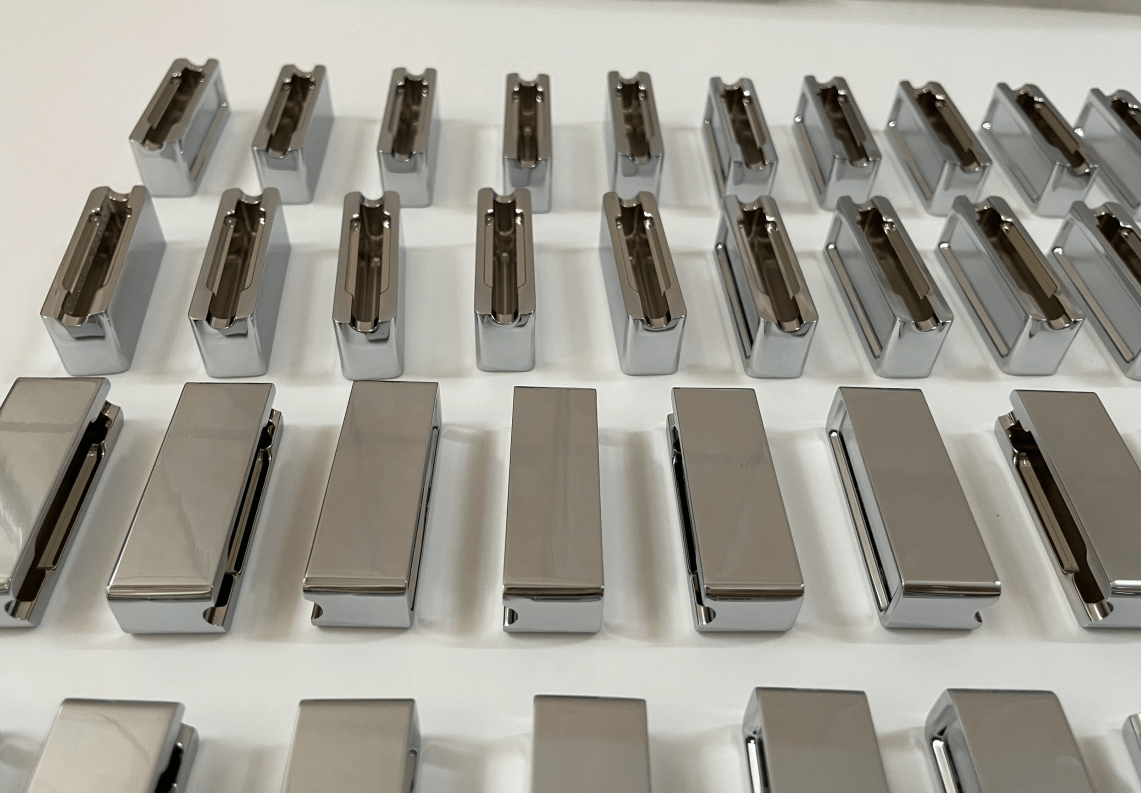
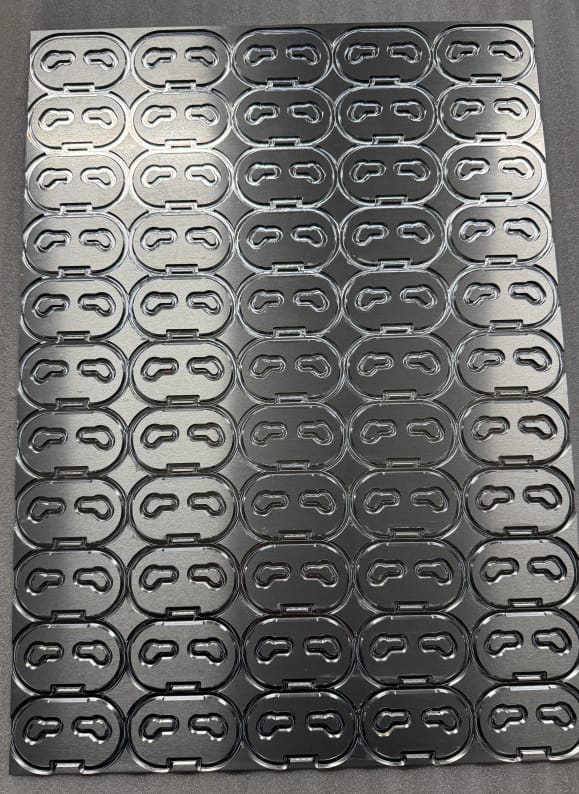
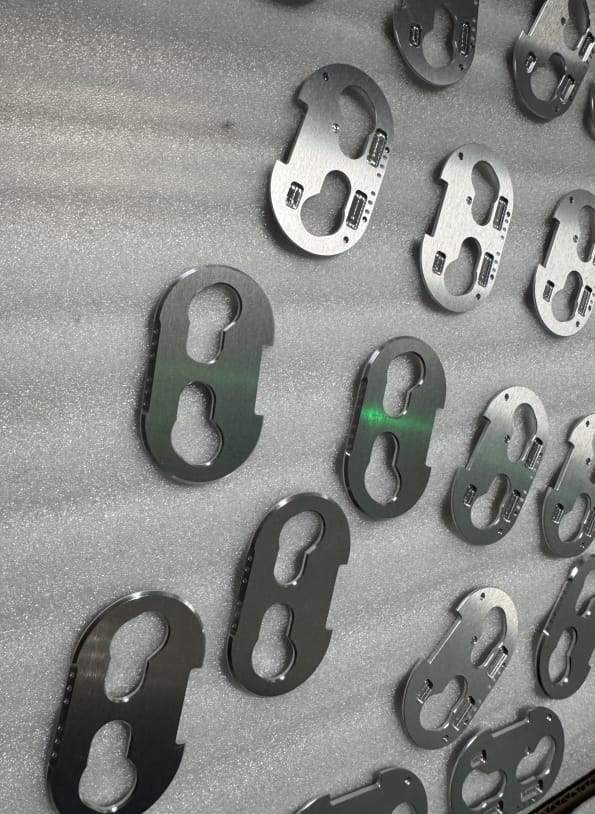
Manufacturing small, complex custom precision metal stamping parts—like the oval components with dual slotted features and tight-tolerance rectangular details shown in our images—requires more than standard press and die setups. These parts demand micron-level accuracy, uniform brushed satin finishes, and high-volume production efficiency to meet automotive, aerospace, or medical device specifications. For engineering and operations leaders, the core challenge lies in balancing strict quality requirements with cost-effectiveness. Below, we break down expert strategies to achieve this balance, drawn from decades of precision stamping experience.
The Reality of the Process (Expert Analysis)
The parts in our images feature tight internal slot tolerances (±0.001 inch), deburred edges, and scratch-free surface finishes—specs that can be compromised by suboptimal die design, material choices, or process gaps. Our stamping engineering team shares actionable insights to overcome these challenges:
Die Materials & Surface Treatment: Durability for Long-Term Precision
“For high-volume runs of custom precision metal stamping parts, die material selection directly impacts tolerance retention and tool life,” explains our lead die design engineer.
- Carbide Inserts: Tungsten carbide inserts offer 3–5x longer wear resistance than standard tool steels, making them ideal for 1M+ part runs where maintaining sharp, precise slot geometry is critical. Their high hardness resists deformation even when stamping high-strength alloys like 410 stainless steel.
- PVD Coatings: TiAlN or TiN coatings reduce punch-die friction by 25%, minimizing material galling and edge distortion when stamping abrasive materials. This ensures the dual slots retain their precise dimensions across thousands of parts.
- Vacuum-Hardened Tool Steels: D2 or M2 steels, vacuum-hardened to 60–62 HRC, provide a robust balance of toughness and wear resistance for main die components. Vacuum hardening eliminates thermal distortion, so die alignment remains consistent over long production runs.
Die Design Modifications: Precision & Efficiency in Every Stroke
Progressive die design is non-negotiable for these high-volume, high-precision parts. Our experts highlight key modifications:
- Multi-Out Progressive Dies: A 4-out design (producing 4 parts per press stroke) increases throughput by 300% compared to single-part dies, cutting unit costs by up to 40%.
- In-Die Sensoring: Real-time electronic sensors detect part misfeeds within 0.002 inches, triggering an immediate press stop. This prevents die damage and ensures small rectangular features meet tolerance without manual inspection, reducing scrap by 15%.
- Slug Retention Geometry: Specialized punch vents and die-entry angles prevent “slug pulling,” where waste material sticks to the punch. This eliminates secondary cleaning steps to remove debris from finished slots, saving 2 hours of labor per 10k parts.
Edge & Surface Finish Mastery: Matching Image-Perfect Quality
The parts in our images require a scratch-free brushed finish and deburred edges—standards that demand integrated process solutions:
- Fine Blanking: Unlike conventional stamping, fine blanking creates a 90% shear edge, eliminating the need for secondary deburring. For these parts, this reduces edge roughness to Ra 0.8 µm, meeting medical device surface specifications.
- Pre-Grained Strip Stock: Using pre-brushed coil stock paired with non-marring Delrin stripper plates prevents scratching during stamping. This maintains the satin finish without post-production grinding or polishing.
- In-Line Vibratory Finishing: Parts are fed directly from the press into a continuous vibratory finisher, automating final deburring and enhancing brushed texture consistency across 1M+ parts. This cuts cycle time by 30% compared to manual finishing.
Cost & Efficiency Optimization: Reducing Waste & Labor
Material scrap and secondary operations are the biggest cost drivers for custom precision metal stamping parts. Our experts recommend:
- Nesting Optimization: CAD nesting software to arrange 6 parts per strip (instead of 4) reduces material scrap by 20%, saving $1.2k per 100k parts in raw material costs.
- In-Die Finishing: Integrating deburring and radiusing stations into the progressive die sequence eliminates manual deburring, cutting labor costs by 50% for high-volume runs.
Technical Data Breakdown
Below is a comparison of manufacturing processes for custom precision metal stamping parts like the oval components in our images:
| Process Type | Tolerance Capability | Unit Cost (100k Parts) | Secondary Operations Required |
|---|---|---|---|
| Conventional Stamping | ±0.005 in | $0.15 | Deburring, cleaning |
| Progressive Die with In-Die Sensors | ±0.002 in | $0.08 | None (in-die finishing included) |
| Fine Blanking + In-Line Vibratory Finishing | ±0.001 in | $0.12 | None (edge conditioning integrated) |
Conclusion
Custom precision metal stamping parts with tight tolerances, uniform surface finishes, and complex features don’t have to be cost-prohibitive. By leveraging advanced die materials, progressive die design, in-die integration, and waste-reduction strategies, manufacturers can achieve high-quality production at scale while keeping costs low.
If you’re looking to optimize your custom precision metal stamping process, our team of certified engineers can help design tailored dies, select the right materials, and implement efficiency improvements to meet your exact specs and budget. Contact us today for a free consultation and quote to start producing image-perfect precision parts.