Source custom CNC milled parts with drawing review, process selection, inspection planning, surface finishing coordination, and direct project follow-up.
SP Precision coordinates RFQ review and production through qualified manufacturing partners in China. The machining route, supplier capability, tolerance plan, reports, and delivery schedule are verified for each project before order placement.
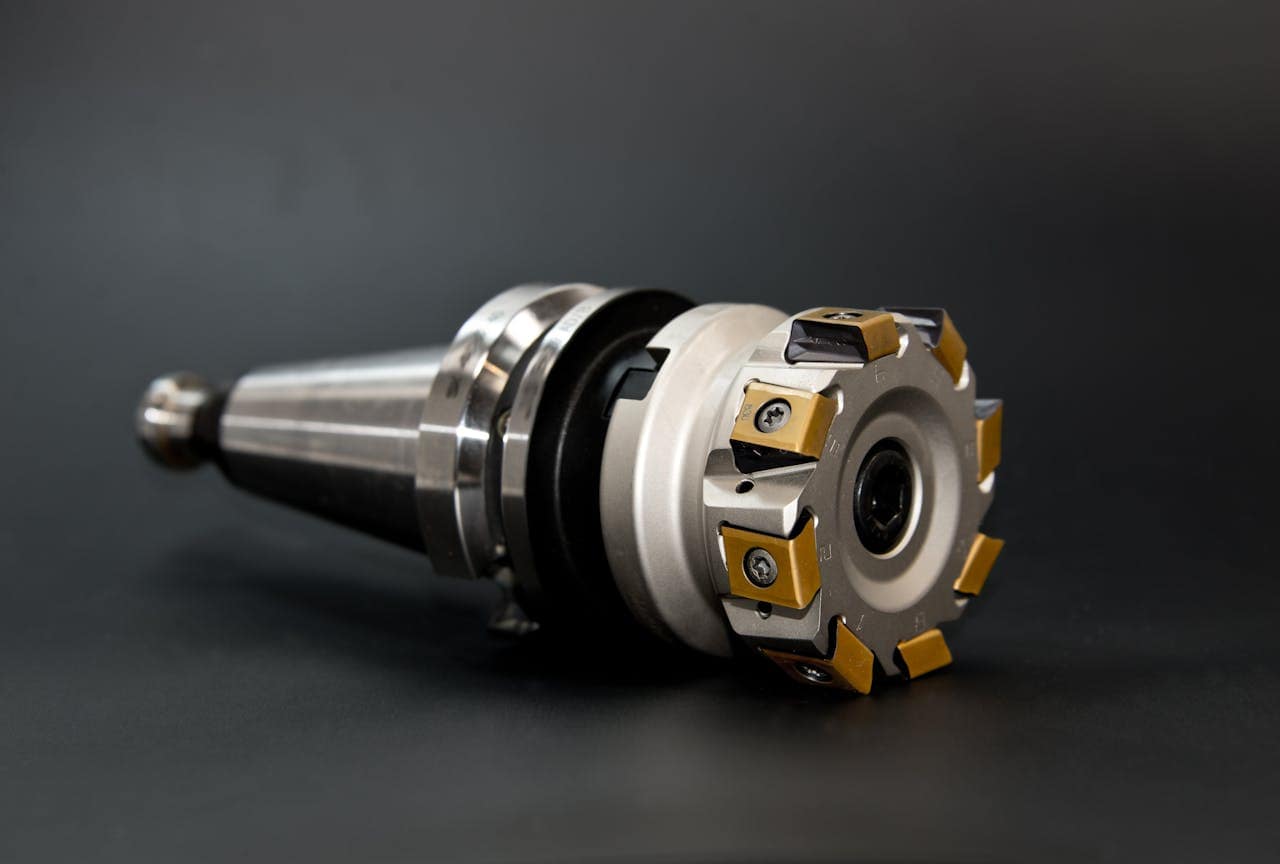
When CNC Milling Is the Right Process
CNC milling is commonly considered for housings, plates, brackets, covers, manifolds, heat sinks, tooling components, and other parts built around pockets, holes, slots, flat surfaces, and multi-face features. It can support functional prototypes, one-off engineering parts, pilot runs, and repeat low-volume orders when the material, geometry, and inspection requirements fit the process.
The correct route is not determined by a part name alone. Stock shape, material removal, tool access, workholding, datum strategy, surface finish, batch quantity, and critical dimensions all affect the quotation. We review these inputs before matching an RFQ with an appropriate production partner.
3-Axis, 4-Axis, and 5-Axis Route Selection
A 3-axis process may be efficient for accessible prismatic geometry. A fourth-axis setup can help index features around a part, while five-axis machining can reduce repositioning for compound angles, complex surfaces, or features distributed across several faces. More axes do not automatically mean lower cost or better quality; the decision should be based on access, setup risk, cycle time, inspection, and quantity.
For complex multi-face parts, see our 5-axis CNC machining service. The final machine type, setup plan, and supplier capability are confirmed after the CAD model and drawing have been reviewed.
Geometry and DFM Points to Review
- Deep pockets and narrow cavities: Tool reach, tool deflection, chip removal, and corner radii can affect cost and achievable finish.
- Thin walls and large flat areas: Material stress, clamping force, cutting sequence, and finishing may affect distortion.
- Internal corners: Milling tools create a radius. A realistic corner radius can reduce tool changes and machining time.
- Undercuts and side features: These may require special tools, extra setups, or a different machining route.
- Datums and workholding: Critical dimensions should be related to functional datums that can also support repeatable production and inspection.
- Edges and burr control: Chamfers, break-edge notes, thread starts, and protected sealing surfaces should be defined on the drawing.
Materials and Surface Finishing
Common CNC milling projects use aluminum, stainless steel, carbon steel, tool steel, copper alloys, titanium, and engineering plastics. Grade, stock availability, heat treatment, certification, and required properties must be confirmed for the actual order. Buyers working with aluminum can also review our aluminum CNC machining page.
Anodizing, bead blasting, polishing, plating, passivation, powder coating, painting, heat treatment, marking, and assembly may be coordinated where suitable. Coating thickness, masking, cosmetic surfaces, color references, and post-finish dimensions should be stated before quotation. See the surface finishing service for the RFQ checklist.
Tolerance and Inspection Planning
There is no single tolerance that applies to every milled feature. Part size, material, wall thickness, feature depth, datum structure, finishing, and measurement method all matter. A useful drawing separates function-critical dimensions from general dimensions and identifies threads, fits, sealing faces, surface roughness, and geometric controls.
Inspection can be planned around a first article, defined critical dimensions, sampling, or a fuller dimensional report depending on the application. Material records, finish certificates, inspection reports, and supplier certifications are included only when specified and confirmed in the quotation.
Prototype and Low-Volume CNC Milling
For a prototype, define what the part must prove: assembly fit, mechanical performance, sealing, thermal behavior, appearance, or a manufacturing assumption. For a repeat batch, add drawing revision control, fixture repeatability, inspection frequency, finish consistency, and packaging requirements. Review our CNC prototype machining and low-volume CNC machining pages for the wider sourcing workflow.
What to Send for a CNC Milling Quote
- A STEP, STP, or other usable 3D model.
- A 2D drawing showing tolerances, threads, datums, surface finish, and inspection notes.
- Material grade and any required material documentation.
- Prototype quantity, current batch quantity, and likely repeat volume.
- Finish, color, texture, masking, and cosmetic requirements.
- Critical dimensions, mating conditions, and the features that affect function.
- Required reports, packaging, delivery destination, and target schedule.
CNC Milling FAQ
Can you quote a fixed CNC milling tolerance from this page?
No. Achievable tolerance depends on the complete part, material, datum plan, feature size, finish, quantity, and inspection method. Send the drawing so the critical requirements can be reviewed against project-specific capability.
Should every complex part use 5-axis machining?
No. Some parts are more economical with indexed setups, fixtures, or conventional milling. Five-axis machining is selected when its access, setup, accuracy, or cycle-time benefits justify the route.
Can surface finishing be included with machined parts?
Finishing and secondary operations can be coordinated when the process and supplier capability fit the project. The quotation should identify the finish specification, masking, cosmetic acceptance, certificates, and dimensions that apply after finishing.
How are repeat orders controlled?
Repeat orders should reference the approved drawing revision, material, process assumptions, inspection plan, finish standard, and packaging. Requirements are reconfirmed when quantity or design changes.
Start a CNC Milling RFQ
Send the CAD files, drawing, material, quantity, finish, inspection needs, and delivery destination. We will review missing information and coordinate a project-specific quotation.